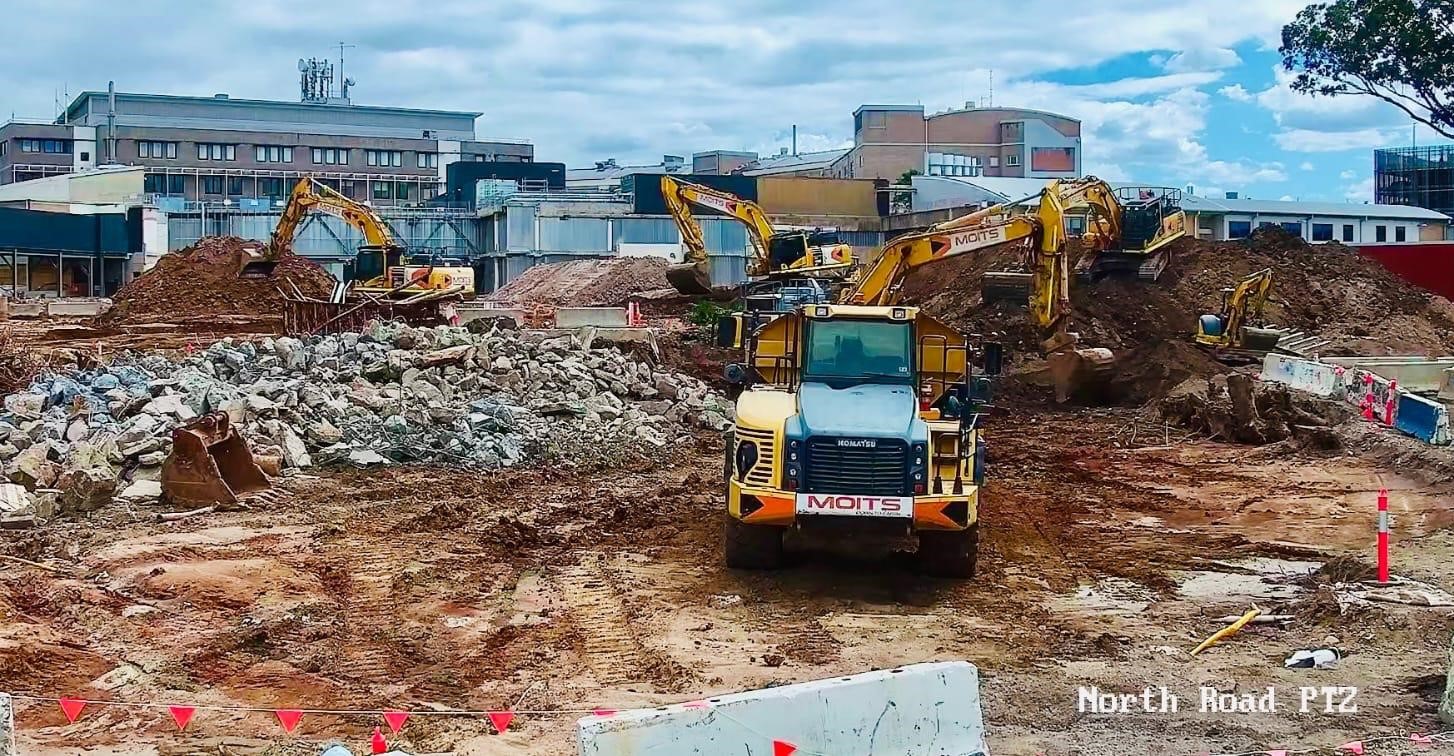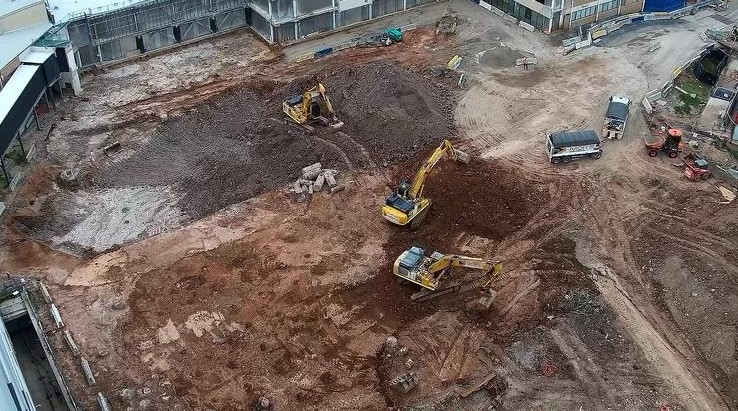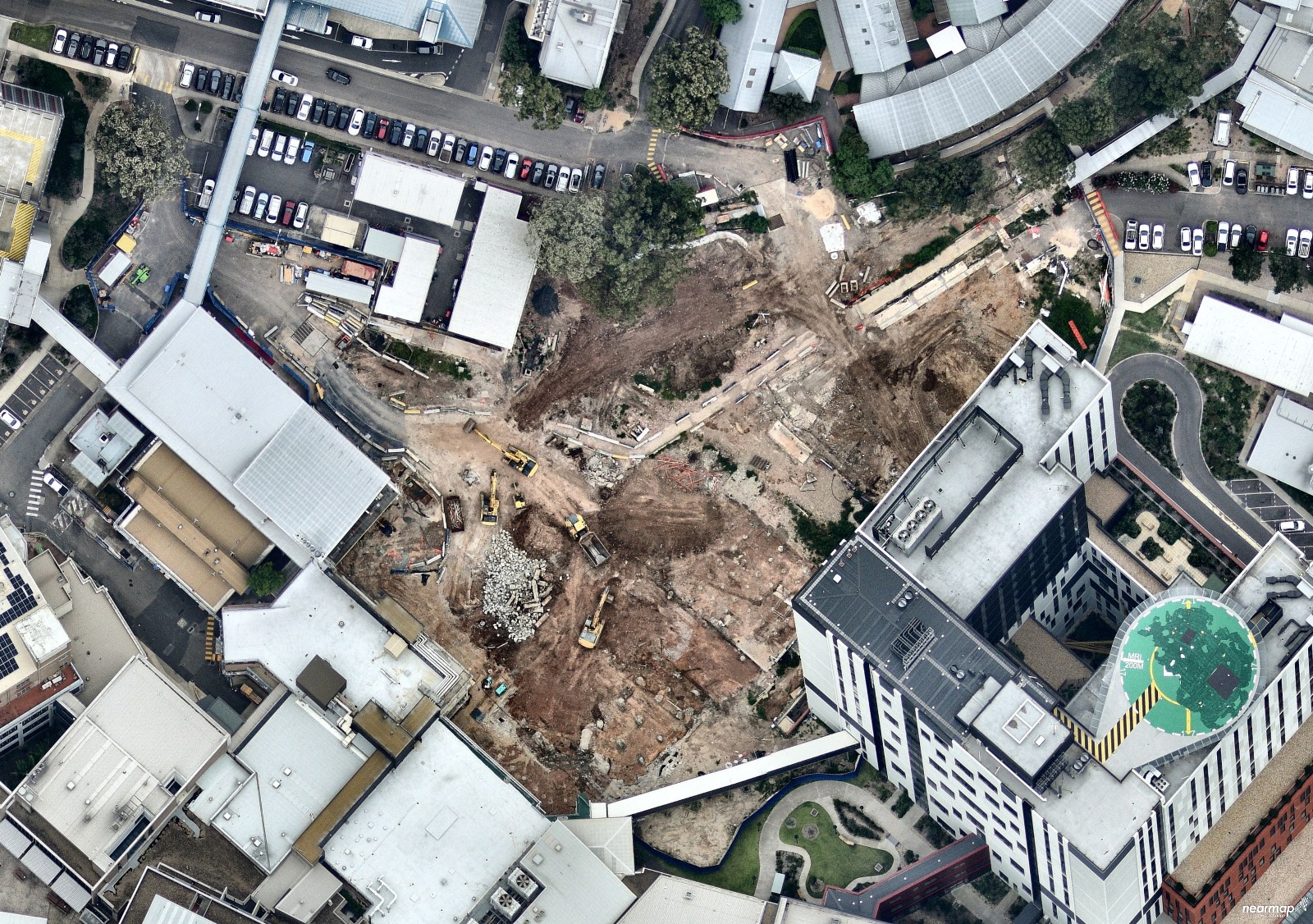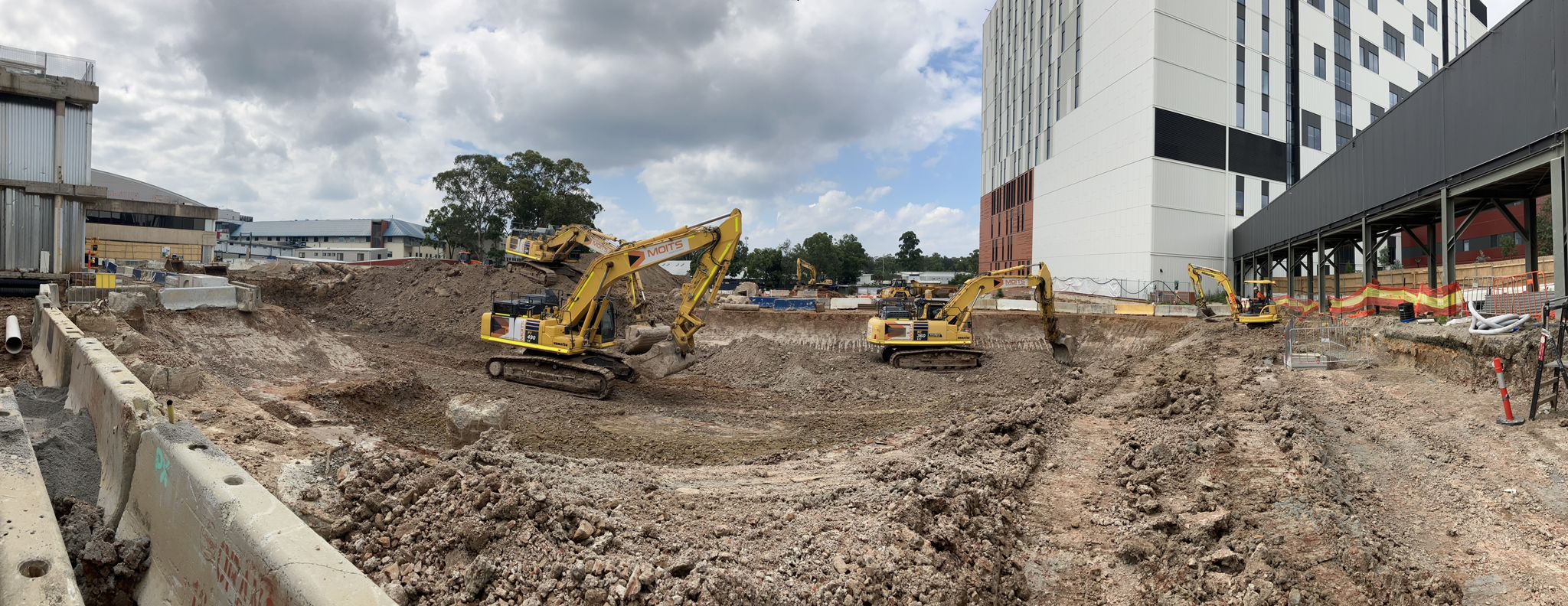

The Project.
The Nepean Hospital Redevelopment involves the construction of a new facility across a building area of over 55,000m². Positioned on the existing hospital site in Western Sydney, the facility will include a new emergency department, more than 200 overnight beds, and over 12 new operating theatres.
Project Info.
Contract
Construct
Client
CPB Contractors
Value
$10m -20m
Project Cost
Commencement: November 2023| Completion: August 2025
Our Scope.
• Survey and setout
• Traffic control (Barber Avenue)
• Sediment control
• Break and remove existing pavement, footpath, kerb and gutter, fencing, and slab on ground
• Bulk earthworks
• Shotcrete and anchoring
• Blockwork retaining walls
• Blinding slab
• Detailed excavation for pile caps
• Supply and lay base course
• Pavement works – heavy-duty asphalt, heavy-duty concrete pavement, concrete footpaths
• Mill and resheet existing surfaces
• Internal and external signage and line marking
• Demolition of existing stormwater
• Supply and install new stormwater pits and pipes
Challenges & Our Approach.
The Nepean Hospital Stage 2 project involved significant challenges due to the live hospital environment, requiring careful management of both pedestrian and emergency vehicle traffic. It was imperative for the Moits team to ensure continuous and uninterrupted hospital operations.
Non-Destructive Digging (NDD) was utilised to locate critical services leading to and from the hospital, with the risk of restricting or entirely disconnecting essential services being a key consideration in daily operations. Additional asbestos hot spots were discovered at numerous stages throughout the project, requiring immediate and safe remediation. During excavation, unknown underground services were encountered, necessitating further NDD and the temporary diversion of stormwater to maintain site functionality and avoid interruptions.
Working adjacent to an active hospital also required strict adherence to noise minimisation protocols to prevent disruption to patients and staff. Dust and sediment control measures were rigorously enforced to protect air quality and prevent contamination in sensitive areas. Despite these obstacles, the project team maintained open communication with relevant stakeholders and management, ensuring all works were conducted with minimal impact on hospital operations while delivering the project on schedule.